Phone Number +91-96194-06392
Opening Hours:

Mon-Sat: 9am - 6pm

SS 304L Tube Manufacturer in India

Import Export
European Directive 2014/68/EU
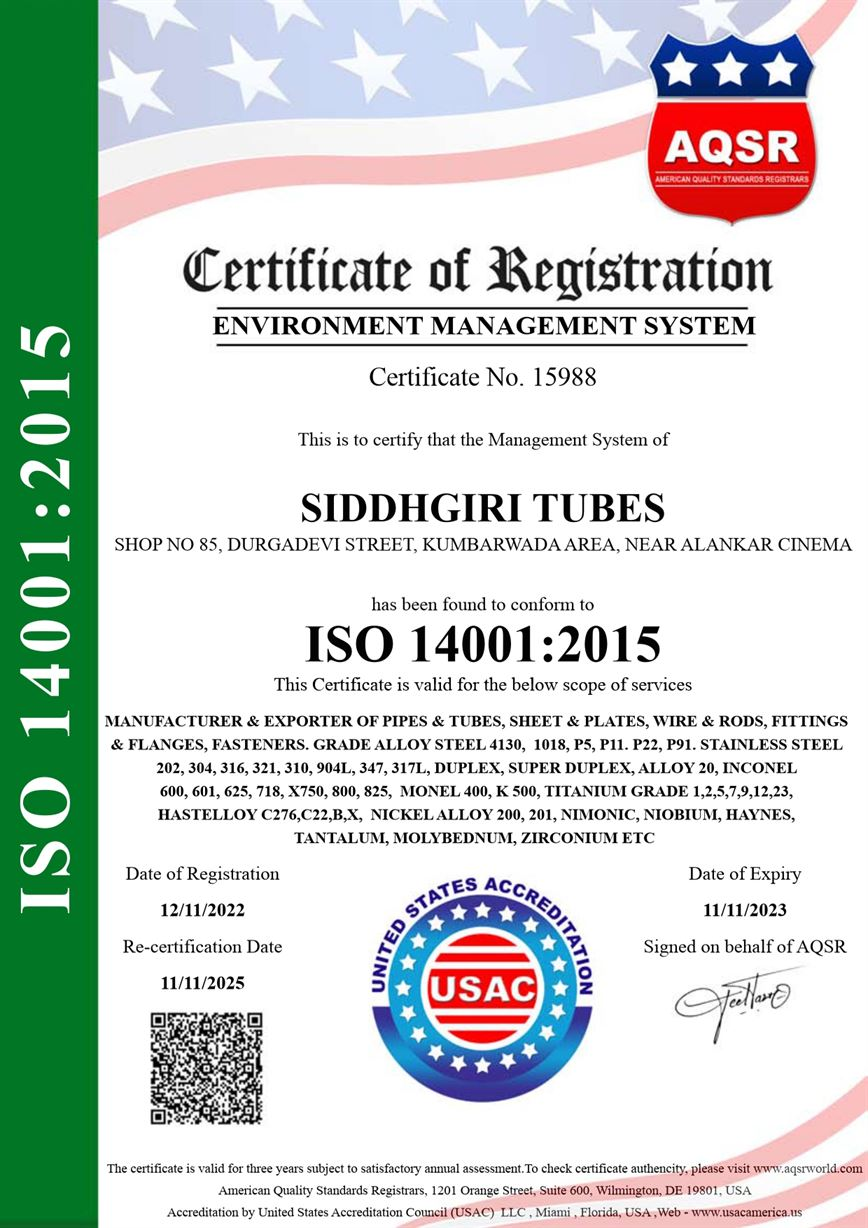
ISO 14001:2015
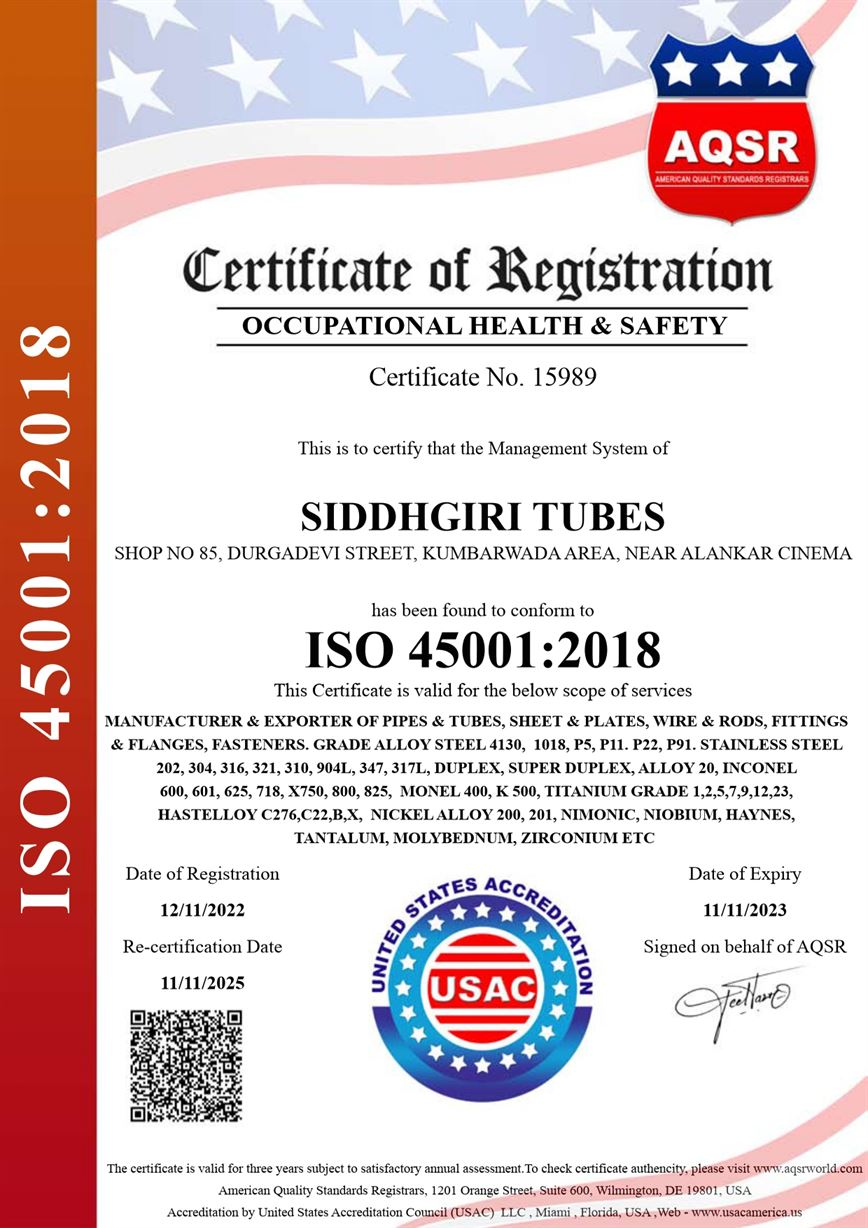
ISO 45001:2018
ISO 9001:2015
GST Certificate
SS 304L Tube Manufacturer in India

SS 304L Tube Manufacturer in India Since 1962

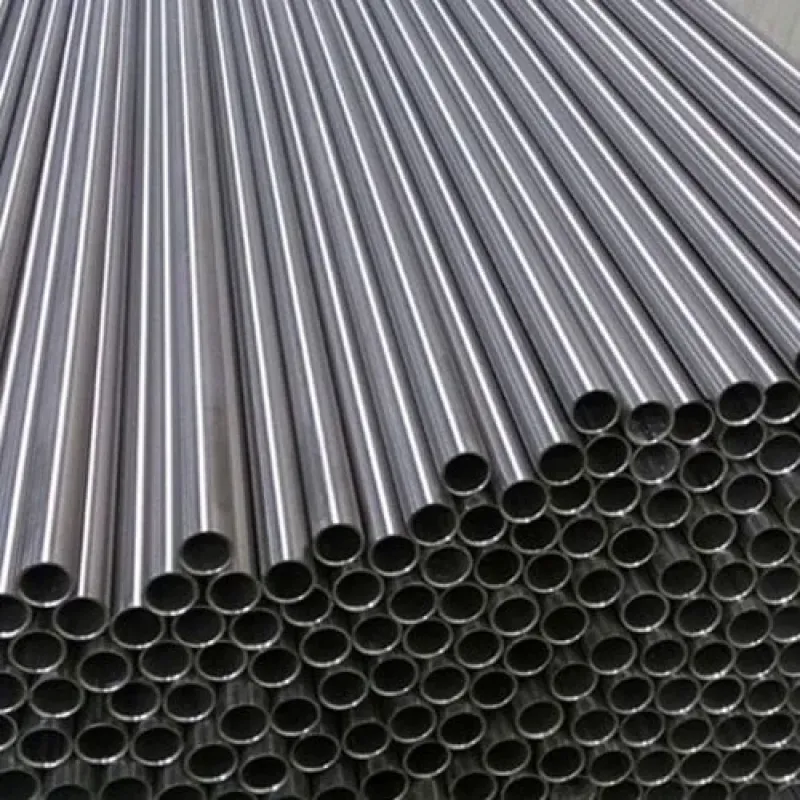
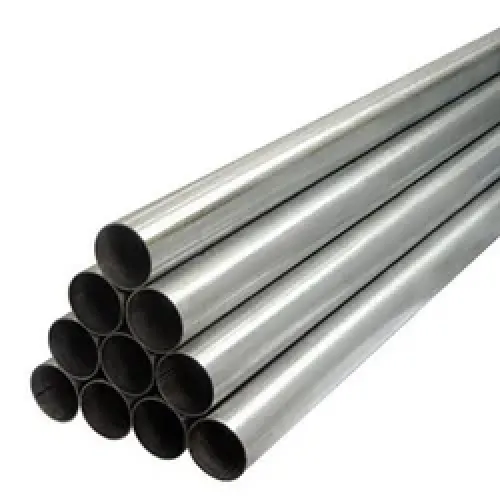
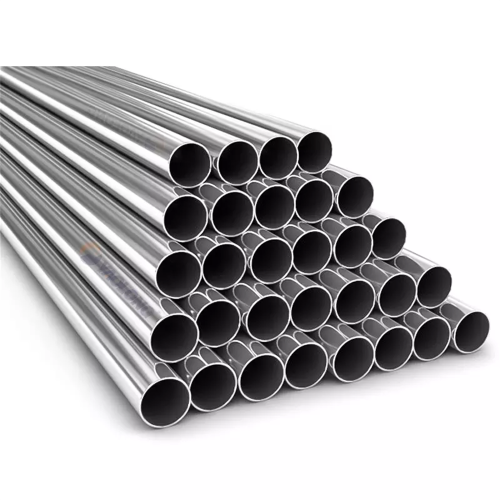
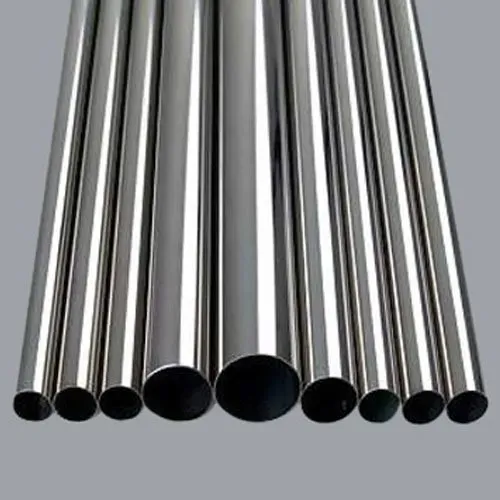
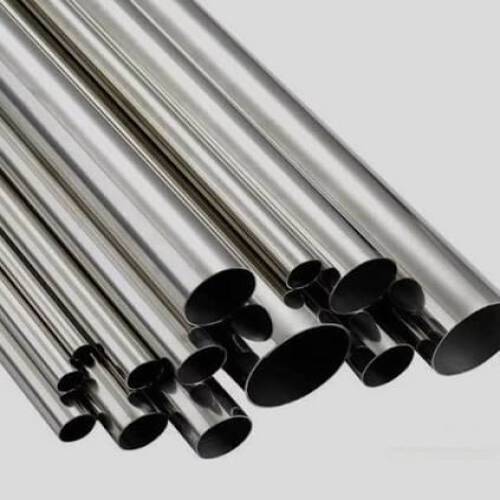
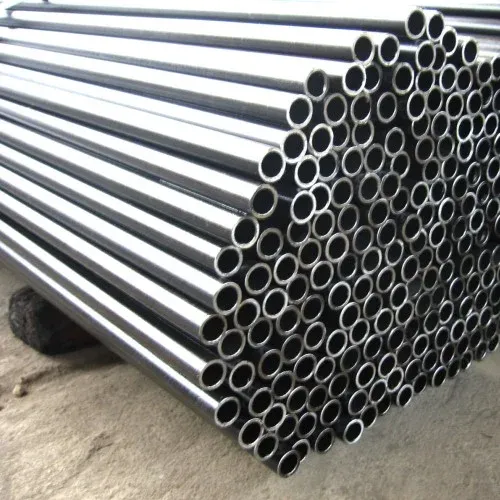
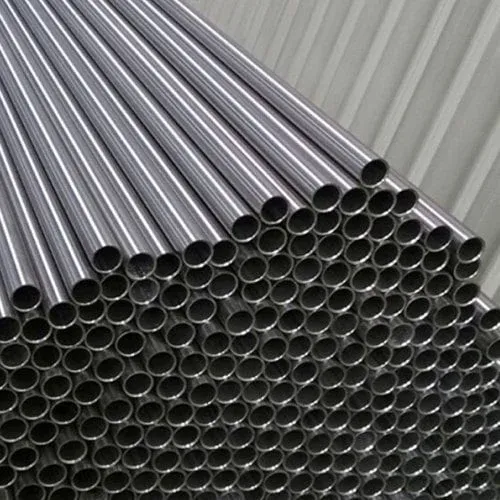
Siddhgiri Overseas manufactures SS 304L stainless steel tube from our Mumbai facility, established in 1962. SS 304L is the extra-low-carbon version of standard 18-8 chromium-nickel austenitic stainless steel 304, produced with total carbon held to a maximum of 0.035% (targeted near 0.03% in production) so that chromium carbides cannot precipitate at the grain boundaries during welding. This resistance to weld decay is what makes 304L tube the preferred choice wherever extensive fabrication welding is involved, without needing a follow-up solution-anneal step to restore corrosion resistance at the joint. Our production process uses argon oxygen decarburisation (AOD) refining for precise chemistry control, followed by solution annealing between 1040°C and 1120°C and water quenching to lock in the austenitic microstructure. We supply SS 304L tube in seamless and welded construction, manufactured to ASTM A213, A249 and A269 and dimensional standards including ANSI B36.19M, tested and documented before dispatch for chemical processing, food and dairy, pharmaceutical and instrumentation service.

SS 304L is the low-carbon variant of standard 18-8 austenitic stainless steel grade 304. The "L" designation means low carbon, and it is this single compositional change — capping total carbon at 0.035% maximum against 0.08% for standard 304 — that defines the grade and the applications it is chosen for. During welding, the metal near the joint passes through the 425°C–815°C range, and in ordinary 304 the carbon present combines with chromium to precipitate chromium carbides along the grain boundaries. This locally depletes chromium in the heat-affected zone and leaves it vulnerable to intergranular corrosion, a condition known as weld decay. By keeping carbon below this threshold, SS 304L starves that reaction, so the heat-affected zone retains its corrosion resistance even after repeated multi-pass welding.

Siddhgiri Overseas controls this chemistry precisely using the argon oxygen decarburisation (AOD) refining process, which reduces carbon content while minimising the loss of chromium during melting. Raw billets are then solution-annealed at temperatures between 1040°C and 1120°C and rapidly water-quenched, a step that locks the austenitic microstructure into place and restores the material's mechanical properties and corrosion resistance after hot and cold working. Final sizing is carried out by cold drawing on high-capacity draw benches or over internal mandrels, which brings the tube to the wall-thickness uniformity, ovality tolerance and surface finish required for precision and clean-room applications.

Like standard 304, SS 304L relies on a minimum of about 18% chromium to form a thin, self-healing passive chromium-oxide layer on the surface. This layer is what gives the alloy its corrosion resistance in air and in a wide range of process fluids, and the low-carbon chemistry ensures that this protection is not compromised at and around weld joints.


Chemical Composition & Mechanical Properties

SS 304L tube supplied by Siddhgiri Overseas is manufactured to the chemical and mechanical limits set out in ASTM A213, ASTM A249 and ASTM A269 (and the corresponding ASME SA specifications), summarised below.

Chromium

18.0% – 20.0%

Nickel

8.0% – 12.0%

Carbon

0.035% max (low-carbon grade, held near 0.03% in production)

Manganese

2.0% max

Tensile Strength

485 MPa min (70 ksi)

Yield Strength

170 MPa min (25 ksi)

Hardness

Rockwell B (HRB) 92 max, or Brinell (HBW) 201 max

Applicable Standards

ASTM A213, ASTM A249, ASTM A269, ASME SA213, ASME SA249

Dimensional Standards

ANSI B36.19M, ANSI B36.10M

The lower carbon ceiling of 304L comes with a modest mechanical trade-off compared to standard 304, which carries slightly higher yield and tensile minimums. Where a project needs both the higher strength rating of 304 and the welding advantages of 304L, dual-certified 304/304L tube — manufactured to satisfy both specifications simultaneously — is available. Every heat is traceable to its original melt, and mill test certificates are provided with each dispatch.

Tube Types & Manufacturing

SS 304L tube is supplied by Siddhgiri Overseas in both seamless and welded construction, selected according to the project's pressure rating, fluid handling requirements and budget.

Seamless (SMLS): Produced without a longitudinal weld seam by piercing a solid billet over a mandrel, then hot extruding or cold drawing to final size. Seamless construction is specified for high-pressure and high-temperature duty and for installations where a weld joint would be a potential point of failure.

Electric Resistance Welded (ERW): Formed by cold-rolling strip into a cylindrical shape and joining the seam using high-frequency electric resistance welding. This is an economical construction method that holds close dimensional tolerances.

Electric Fusion Welded (EFW): Used for heavier-wall tube, formed from rolled plate joined with a high-energy electric arc for deep weld penetration, typically verified by continuous radiographic testing.

Cold Drawn Welded (CDW): A welded tube that is subsequently cold-drawn through precision dies over an internal mandrel, which refines grain alignment at the weld seam and reduces eccentricity and surface roughness.

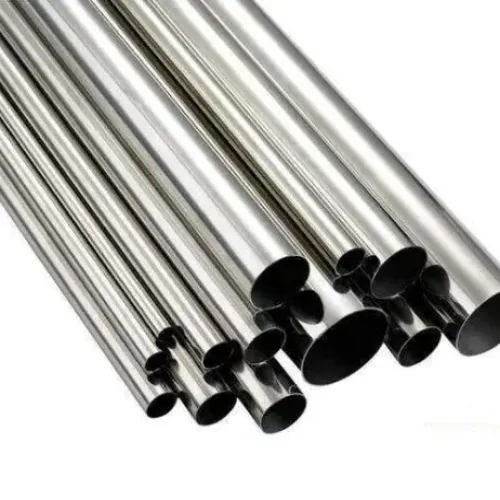
Available end configurations include plain end, beveled end and threaded ends, in single random, double random or cut-to-length profiles, with surface finishes ranging from No.1 pickled and 2B matte through No.4 brushed to bright annealed (BA) and mirror-polished (No.8) options. Every batch is verified through dimensional inspection, hydrostatic testing, eddy current or ultrasonic testing, and chemical composition (PMI) verification before dispatch.

Applications

The combination of corrosion resistance and reliable weldability makes SS 304L tube suitable across a wide range of process and instrumentation duties:

  • Chemical Process Systems — transport lines for mild organic acids, oxidising fluids and general process chemicals, where weld-zone corrosion in a heavily welded pipeline network would create an ongoing maintenance and safety liability.
  • Food, Beverage and Dairy Processing — sanitary process lines and vessels where a smooth internal bore resists product buildup and withstands repeated Clean-in-Place (CIP) acid and caustic wash cycles without loss of surface integrity.
  • Pharmaceutical and High-Purity Systems — cleanroom and ultra-pure water circuits where consistent, low-carbon metallurgy supports the surface finish and cleanability standards these systems demand.
  • Instrumentation and Control Lines — pressure, temperature and sampling lines where dimensional precision and freedom from weld-related defects support long-term reliability.
  • Low-Temperature and Cryogenic Service — the austenitic structure of 304L retains good ductility and impact toughness at sub-zero temperatures, making it suitable for cold process piping.
  • Heavy Field-Welded Fabrication — structural and process tubing networks assembled with extensive site welding, where avoiding a post-weld solution-anneal step saves significant time and cost.

Siddhgiri Overseas supplies SS 304L tube in the sizes, wall thicknesses and surface finishes needed across these applications, manufactured and tested at our Mumbai facility.

Certifications

Siddhgiri Overseas is ISO certified for quality, occupational health & safety and environment management, and holds the import and export certification required to supply stainless steel pipe and tube to customers worldwide. Certificate copies are available on request for buyers who need them for their own compliance records.

Related Categories

FAQs

Frequently Asked Questions About SS 304L Tube

SS 304L is the low-carbon version of standard 18-8 austenitic stainless steel grade 304. The only significant compositional difference is carbon content — capped at 0.035% maximum for 304L against 0.08% maximum for standard 304 — which prevents chromium carbide formation during welding and gives 304L its resistance to weld decay.

During welding, the metal near the joint heats through the 425°C–815°C range, where carbon in standard 304 combines with chromium to form chromium carbides at the grain boundaries. This depletes chromium in the heat-affected zone and leaves it prone to intergranular corrosion. With carbon held below 0.035% in 304L, there is not enough carbon present for this reaction to significantly occur, so the heat-affected zone keeps its corrosion resistance without needing post-weld solution annealing.

Argon oxygen decarburisation (AOD) is a secondary steelmaking process used to reduce carbon content precisely while minimising chromium loss during melting. Siddhgiri Overseas uses AOD refining to achieve the tight carbon control that SS 304L requires, followed by solution annealing at 1040°C–1120°C and water quenching to set the final austenitic microstructure and mechanical properties.

Our SS 304L tube is manufactured to ASTM A213 (ferritic and austenitic alloy steel tubes for boilers and heat exchangers), ASTM A249 (welded austenitic tube) and ASTM A269 (general-service austenitic tube), along with the corresponding ASME SA specifications and dimensional standards such as ANSI B36.19M.

Yes. Siddhgiri Overseas supplies SS 304L tube as seamless (SMLS), Electric Resistance Welded (ERW), Electric Fusion Welded (EFW) and Cold Drawn Welded (CDW) construction. Seamless tube is chosen for high-pressure and high-temperature duty, while welded and cold-drawn-welded options offer a cost-effective alternative for lower-pressure applications.

We supply SS 304L tube in No.1 pickled, 2B matte, No.4 brushed, bright annealed (BA) and No.8 mirror-polished finishes, selected according to whether the application prioritises hygienic cleanability, corrosion resistance or appearance.

Every batch undergoes dimensional inspection, hydrostatic pressure testing, eddy current or ultrasonic testing, and chemical composition (PMI) verification, with mill test certificates provided to confirm traceability back to the original melt heat.

SS 304L tube is widely used in chemical process systems, food and dairy processing, pharmaceutical and high-purity systems, instrumentation and control lines, low-temperature and cryogenic service, and any application involving heavy field welding where avoiding post-weld heat treatment matters.

Clients

Our Partners

Tata Power
Shell Global Solutions
ONGC
NRL
NTPC
NIOC
HP
JSL
Godrej
Bhel
Inoxium Tubi
24/7 we are here
Your Partner in Industrial Growth, Let’s get started today!