Phone Number +91-96194-06392
Opening Hours:

Mon-Sat: 9am - 6pm

SS 316 Pipe Manufacturer in India

Import Export
European Directive 2014/68/EU
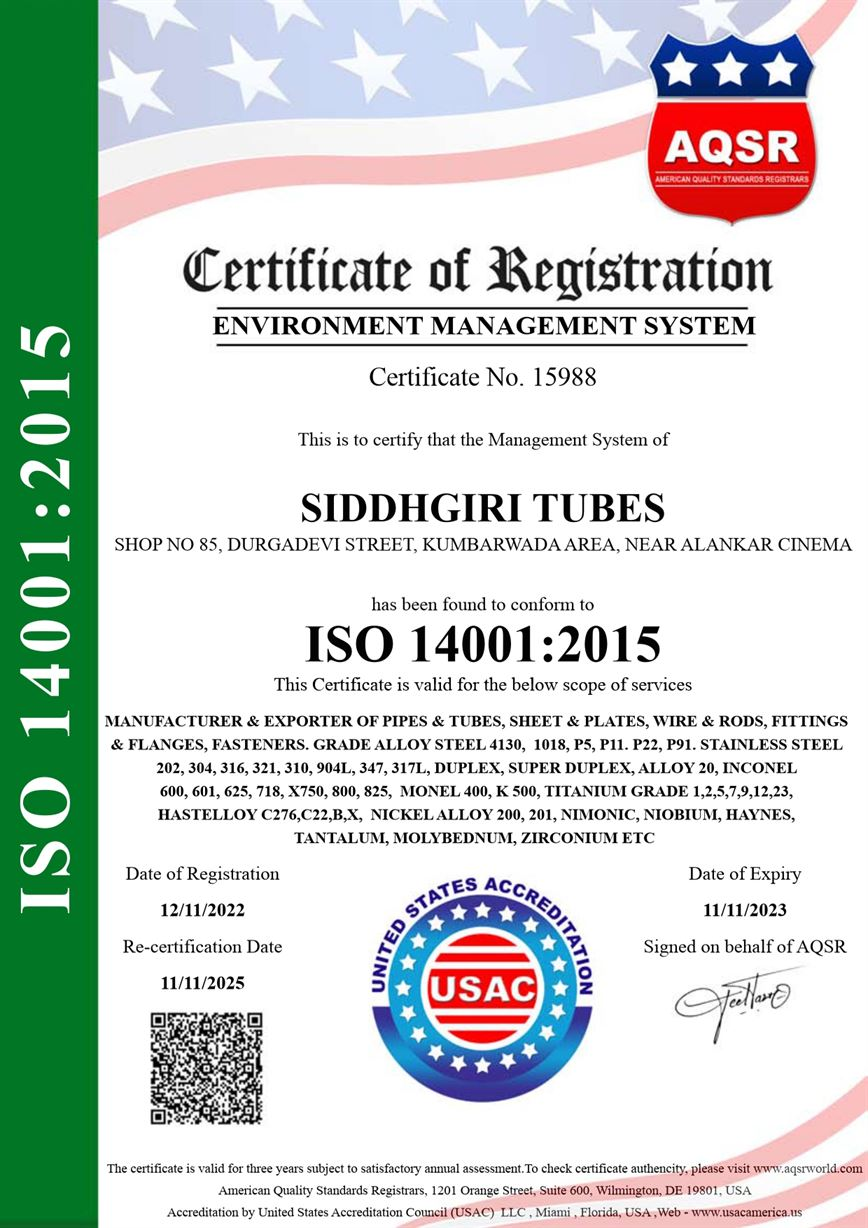
ISO 14001:2015
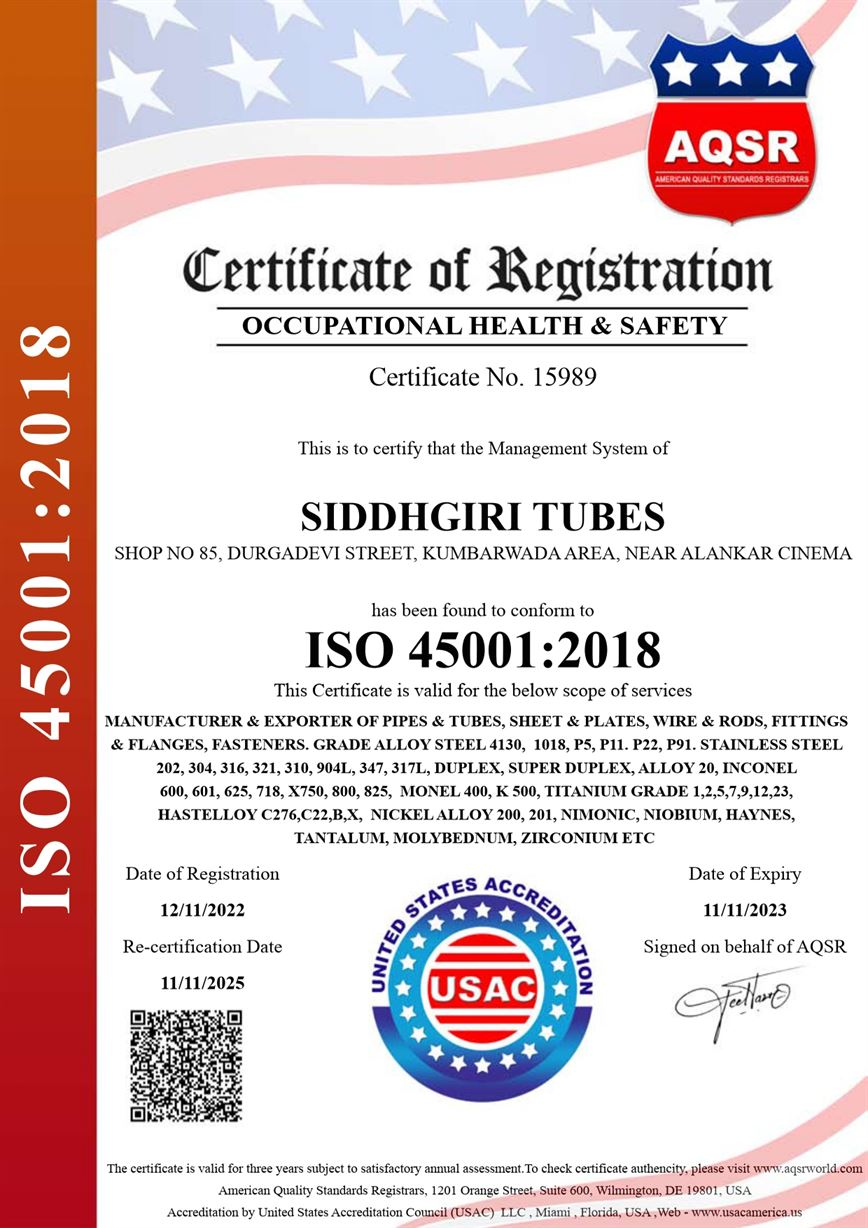
ISO 45001:2018
ISO 9001:2015
GST Certificate
SS 316 Pipe Manufacturer in India

SS 316 Pipe Manufacturer in India Since 1962

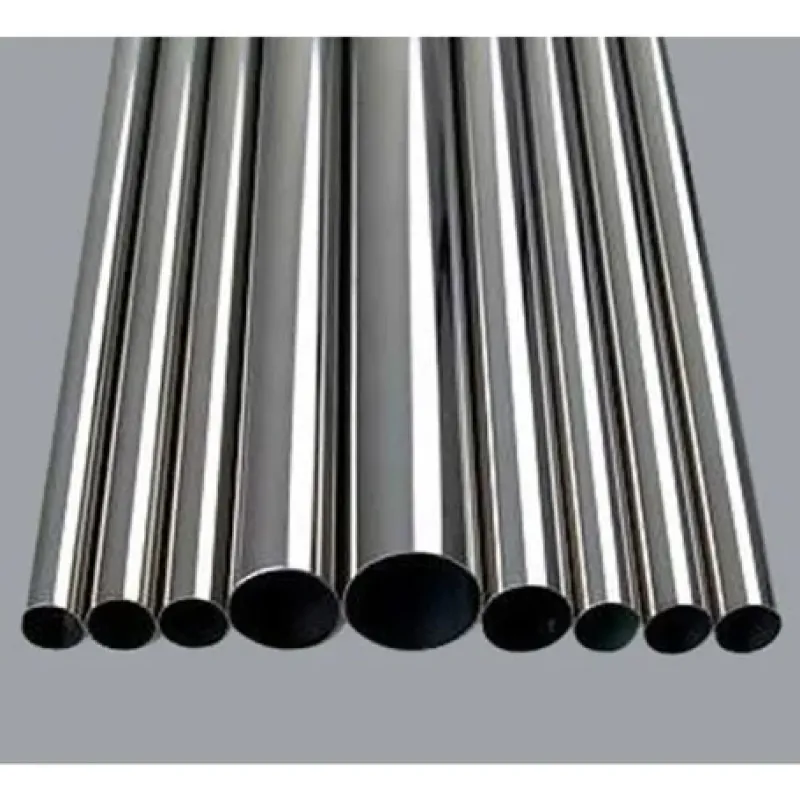
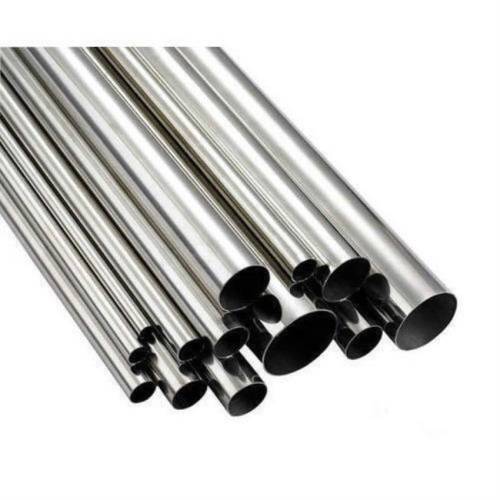
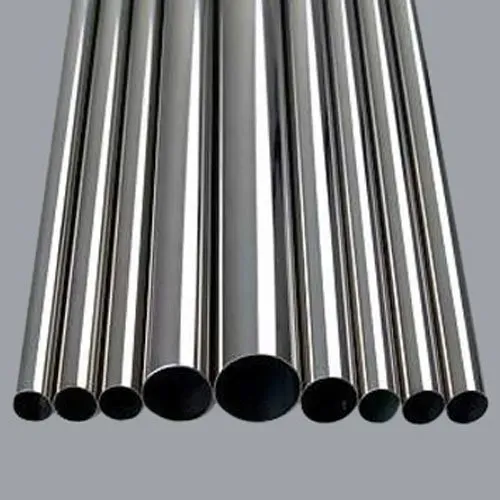
Siddhgiri Overseas manufactures SS 316 pipe for applications where standard 304 stainless falls short — marine and offshore installations, coastal architecture, and process lines carrying chlorides or aggressive acids. The defining difference is molybdenum: SS 316 adds 2.00%-3.00% molybdenum to a chromium-nickel base similar to 304, and that addition materially improves resistance to pitting and crevice corrosion in chloride-rich environments. Available in seamless and welded/ERW construction across standard NB and schedule ranges (5S through 160), our SS 316 pipe is produced under the DIN 1.4401 / EN X5CrNiMo17-12-2 / ASTM A312 TP316 specification family, with dimensional checks and Mill Test Certificates accompanying every dispatch. Since 1962, our Mumbai facility has supplied stainless pipe to industries where corrosion resistance is a design requirement, not an afterthought — SS 316 is where that requirement usually starts.

SS 316 is an austenitic stainless steel pipe grade built on the same chromium-nickel foundation as SS 304, with one critical addition: 2.00%-3.00% molybdenum. That single alloying change is what separates the two grades in practice. Where 304 performs well in general atmospheric and mild process conditions, 316 is specified whenever chlorides enter the picture — seawater, salt-laden coastal air, de-icing chemicals, or chloride-bearing process fluids.

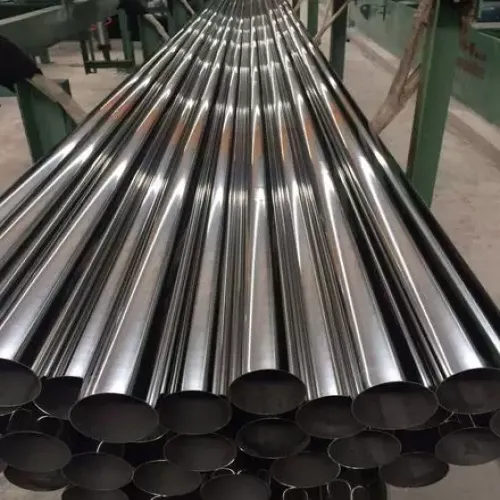
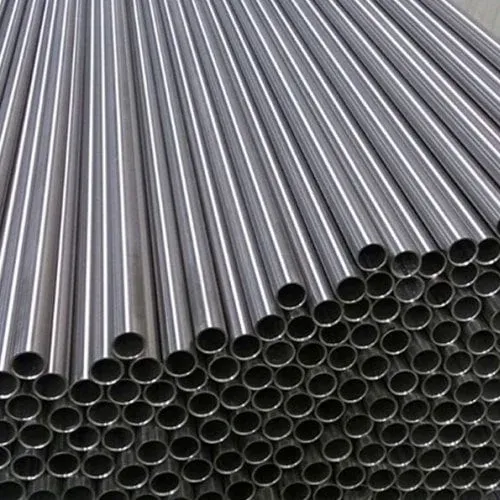
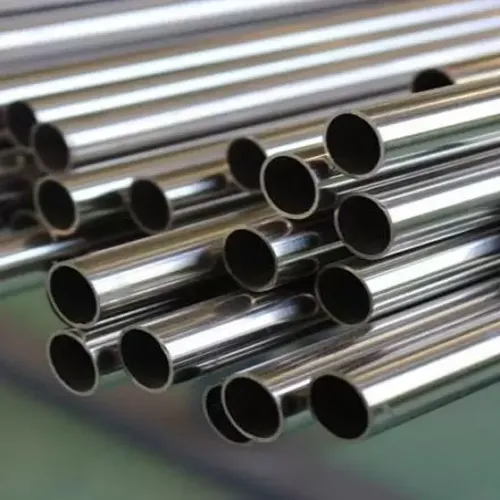
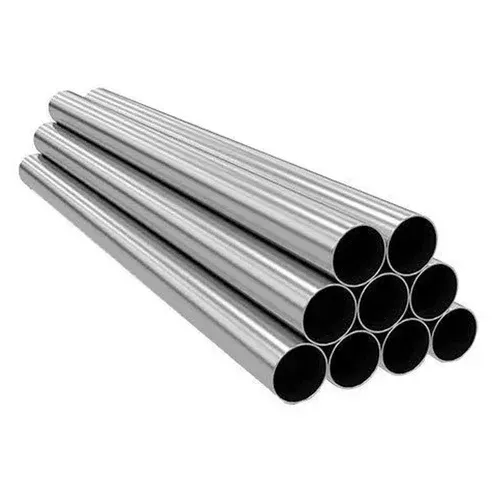
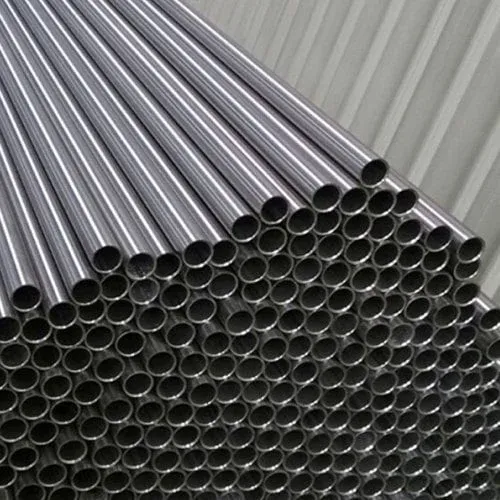
Siddhgiri Overseas produces SS 316 pipe in both seamless and welded/ERW construction, covering the standard NB and schedule range used across stainless pipe applications — from small-bore instrumentation sizes up to larger structural and transmission sizes. Every batch is dimensionally checked before dispatch, and Mill Test Certificates (MTC) are provided so buyers can verify chemistry and mechanical properties against the applicable standard.

Mechanically, SS 316 behaves comparably to SS 304 — it isn't a higher-strength alloy, it's a more corrosion-resistant one. The value of 316 is entirely in what it resists, not in added mechanical performance.


Applications

SS 316 pipe is specified wherever chloride exposure or aggressive chemical contact rules out standard 304. Common applications include:

  • Marine and offshore equipment — piping and structural components exposed to seawater and salt spray.
  • Coastal architecture and infrastructure — installations in coastal atmospheres where airborne chlorides accelerate corrosion of lesser grades.
  • Chemical processing — process lines handling chlorides or aggressive acids where 304 would degrade prematurely.
  • Desalination equipment — plant piping operating in continuous high-chloride contact.
  • Pharmaceutical and food processing lines — systems handling high-sodium or high-acid products, where 316's corrosion margin outlasts 304 over the equipment's service life.

Across all of these, the pipe is available in seamless or welded/ERW construction to match the pressure, size, and fabrication requirements of the application.

Chemistry & Standards

SS 316 is cross-referenced across major standards as follows:

  • DIN:4401
  • EN: X5CrNiMo17-12-2
  • ASTM A312 (pipe): TP316

The core chemistry distinction from SS 304 is the 2.00%-3.00% molybdenum addition on top of the same chromium-nickel austenitic base.

SS 316 sits within a family of related grades, each suited to slightly different needs:

  • SS 316L — a low-carbon version of 316, used where heavy welding is involved. Lower carbon reduces the risk of weld decay (carbide precipitation at the heat-affected zone) during extensive field welding.
  • SS 316Ti — a titanium-stabilized version (DIN 1.4571 / EN X6CrNiMoTi17-12-2 / ASTM TP316Ti), used where stabilization against carbide precipitation is preferred over simply lowering carbon.
  • SS 304 / 304L — the non-molybdenum base grade, suitable and more economical where chloride exposure is not a concern.

Standard SS 316 carries carbon up to 0.08%, giving it slightly higher base strength retention than 316L. For applications with minimal welding, standard 316 is a fine choice. For heavy field welding in marine or chloride service, 316L is generally preferred to avoid weld decay. Siddhgiri Overseas also stocks dual-certified 316/316L material — pipe that meets both chemistry specifications simultaneously, giving buyers 316L's weld-decay protection without giving up 316's higher yield strength.

Why Molybdenum Matters: Chloride & Pitting Resistance

Chloride ions are the primary reason stainless steel fails in service. In the presence of chlorides, the passive oxide layer that protects stainless steel can break down locally, initiating pitting corrosion — small, localized pits that penetrate the surface — or crevice corrosion in tight gaps, gasket faces, and under deposits. SS 304 has no specific defense against this mechanism beyond its baseline chromium oxide layer, which is why 304 components in marine or chloride-heavy service eventually pit even when the rest of the part looks sound.

The 2.00%-3.00% molybdenum in SS 316 changes this. Molybdenum stabilizes the passive film and significantly raises the chloride concentration needed to initiate pitting and crevice attack. This is the entire reason 316 exists as a distinct commercial grade — it is, functionally, "304 plus chloride resistance."

Practically, this means SS 316 is the default choice anywhere saltwater, coastal atmosphere, de-icing salts, or chloride-bearing chemicals are part of the operating environment. Specifying 304 in these conditions is a common and costly mistake that shows up years later as pitted, leaking pipe.

Certifications

Siddhgiri Overseas is ISO certified for quality, occupational health & safety and environment management, and holds the import and export certification required to supply stainless steel pipe and tube to customers worldwide. Certificate copies are available on request for buyers who need them for their own compliance records.

Related Categories

FAQs

Frequently Asked Questions About SS 316 Pipe

SS 316 adds 2.00%-3.00% molybdenum to the same chromium-nickel base used in SS 304. That molybdenum significantly improves resistance to pitting and crevice corrosion from chlorides, making 316 the correct choice for marine, coastal, and chloride-heavy chemical environments where 304 would eventually pit.

Standard SS 316 carries carbon up to 0.08% and retains slightly higher base strength. SS 316L is a low-carbon version specifically intended for heavy welding, reducing the risk of weld decay. For marine or chloride service with minimal welding, standard 316 works well; for extensive field welding in the same conditions, 316L is generally preferred.

Dual-certified 316/316L material meets the chemistry limits of both grades simultaneously. It gives buyers the low-carbon weld-decay protection of 316L while retaining the higher yield strength associated with standard 316, and Siddhgiri Overseas stocks it as an available option.

SS 316Ti is a titanium-stabilized variant of 316 (DIN 1.4571 / EN X6CrNiMoTi17-12-2 / ASTM TP316Ti). Titanium stabilization protects against carbide precipitation during welding or elevated-temperature service by a different mechanism than 316L's low-carbon approach, and is typically selected for specific high-temperature or stabilization requirements.

Yes — this is the primary reason the grade exists. The molybdenum content in SS 316 is specifically what gives it strong resistance to chloride-driven pitting and crevice corrosion, making it the standard stainless choice for marine and offshore equipment and coastal infrastructure.

SS 316 carries added molybdenum content compared to 304, which affects its cost profile. Whether it is worth specifying comes down to the operating environment: in chloride-heavy or coastal conditions, 304 will pit and require earlier replacement, so 316's corrosion resistance is generally the deciding factor rather than upfront cost alone.

SS 316 pipe is available in both seamless and welded/ERW construction, across the standard NB and schedule range (Schedule 5S through 160) used for stainless pipe, from small instrumentation sizes up to larger structural and transmission sizes.

Clients

Our Partners

Tata Power
Shell Global Solutions
ONGC
NRL
NTPC
NIOC
HP
JSL
Godrej
Bhel
Inoxium Tubi
24/7 we are here
Your Partner in Industrial Growth, Let’s get started today!