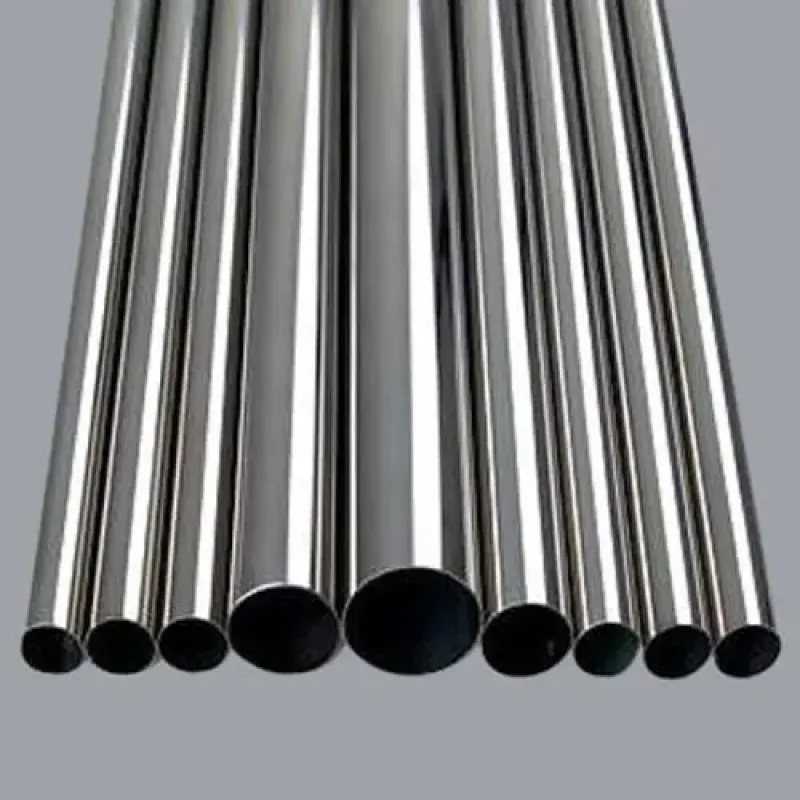
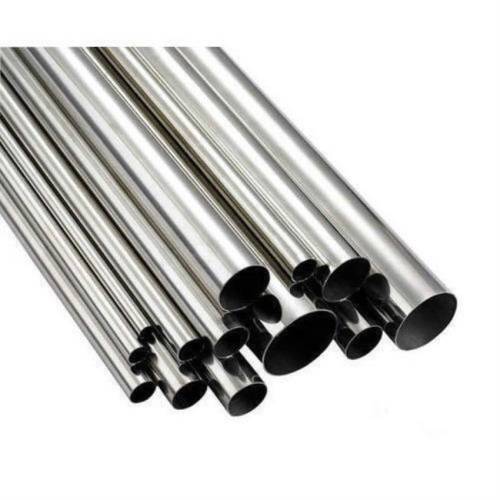
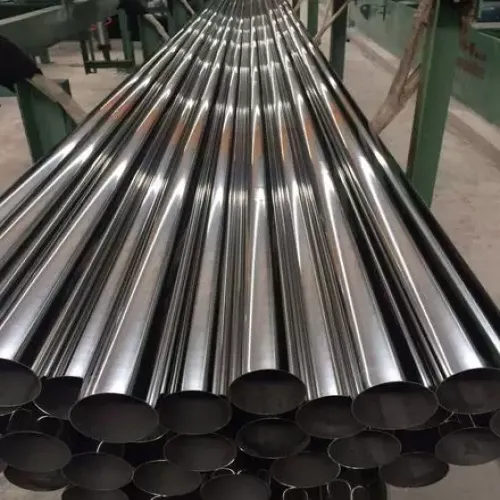
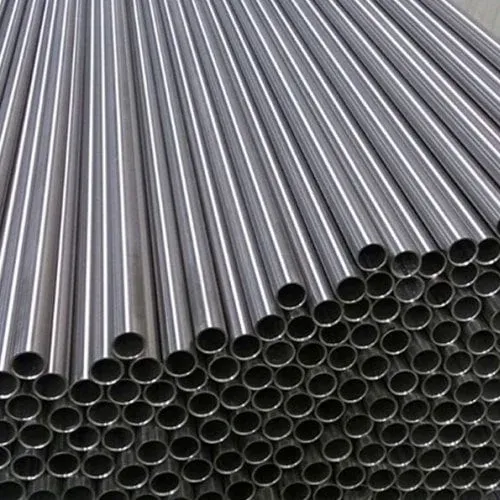
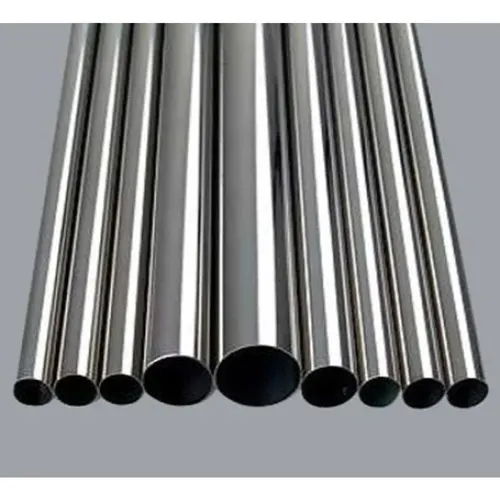
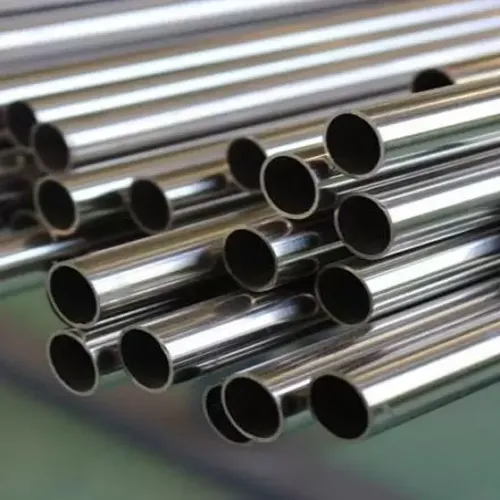
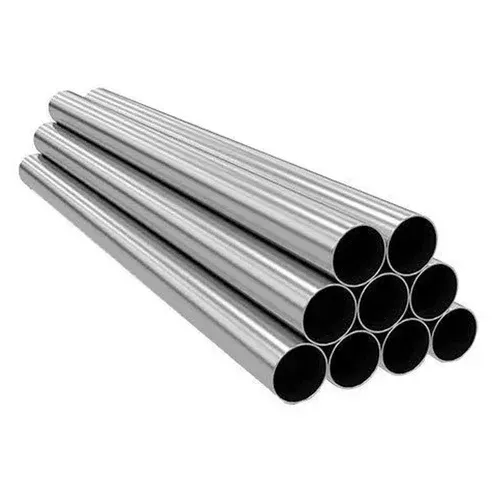
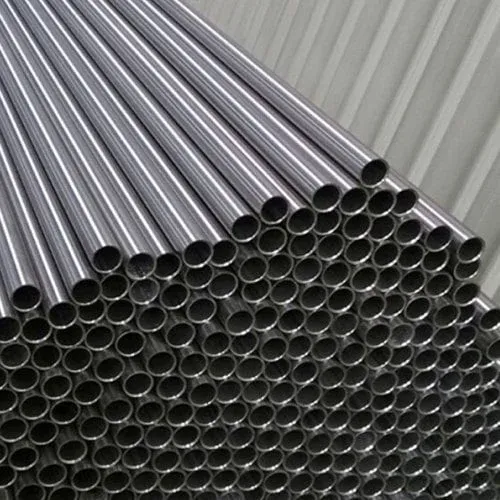
SS 316L pipe is the low-carbon variant of SS 316, engineered for applications where welding is unavoidable and corrosion resistance cannot be compromised. Carbon is capped at 0.03% max against 0.08% max in standard 316, while the same 2.00%-3.00% molybdenum addition is retained — the element that gives 316-series steels their resistance to chloride attack and pitting. The result is a grade that carries 316's marine and chemical-processing credentials into welded fabrication without the carbide precipitation that causes weld decay in higher-carbon grades. At Siddhgiri Overseas, Mumbai-based manufacturers of stainless steel pipe since 1962, SS 316L pipe is produced in both seamless and welded/ERW construction, with dimensional checks carried out before dispatch and Mill Test Certificates available for every consignment.
SS 316L is the low-carbon counterpart to standard SS 316, produced to the same molybdenum-bearing austenitic chemistry but with carbon restricted to 0.03% max instead of 316's 0.08% max. The molybdenum addition of 2.00%-3.00% is unchanged between the two grades — this is what sets 316L apart from 304L rather than from 316 itself. Molybdenum is what gives both 316 and 316L their resistance to chloride-induced pitting and crevice corrosion, making them suitable for marine and saline environments where 304-series steels fall short.
The reason to specify 316L over standard 316 is almost always welding. When austenitic stainless is heated in the 425-870°C range during welding, carbon can combine with chromium at the grain boundaries and precipitate out as chromium carbides — a process called sensitization that leaves the heat-affected zone depleted of the chromium needed for corrosion resistance, and vulnerable to intergranular attack (weld decay). Capping carbon at 0.03% starves this reaction of the carbon it needs, so 316L pipe that has been welded retains corrosion resistance through and around the weld zone, not just in the parent material.
In practical terms, SS 316L pipe is what you specify when a system will see both welded joints and chloride exposure at the same time — offshore piping, saline process lines, or sanitary systems that are fabricated by welding rather than mechanical jointing. Siddhgiri Overseas supplies SS 316L pipe in seamless and welded/ERW construction, manufactured since 1962, with dimensional verification before dispatch.

SS 316L pipe is cross-referenced across the major international standards as follows:
|
1.4404 |
X2CrNiMo17-13-2 |
TP316L |
The "2" in the carbon designation is the key differentiator from standard 316 (1.4401 / X5CrNiMo17-12-2 / TP316), where the "5" reflects the higher permitted carbon content. Both grades share the same molybdenum range of 2.00%-3.00%, which is what separates the 316-series from the 304-series — for reference, standard-carbon 304 corresponds to 1.4301/X5CrNi18-10/TP304, and low-carbon 304L to 1.4306/X2CrNi19-11/TP304L. Neither 304 grade carries molybdenum, which is why 316/316L is specified wherever chloride exposure is a factor.
Mechanical properties for SS 316L pipe are:
These figures sit below standard 316's higher-carbon strength levels, since carbon contributes to strength in austenitic stainless. Where a project needs 316L's weld-decay resistance without giving up 316-level yield strength, Siddhgiri Overseas can supply dual-certified 316/316L pipe — material that meets both chemistry windows simultaneously, so a single stock item satisfies either specification.
SS 316L's low-carbon austenitic structure also retains toughness and ductility at deep sub-zero and cryogenic temperatures, resisting the embrittlement that limits many other steel grades in cold service. Mill Test Certificates are provided confirming chemical composition and mechanical properties for each supply.
SS 316L pipe from Siddhgiri Overseas is available across three size bands, in both seamless and welded/ERW construction:
Surface finish is selected based on where the pipe sits in the system:
Every SS 316L pipe undergoes dimensional checks before dispatch, ensuring OD, wall thickness, and schedule conform to the ordered specification.
SS 316L pipe is specified wherever welded fabrication and chloride or corrosive-chemical exposure occur together:
Because SS 316L also retains toughness at deep sub-zero and cryogenic temperatures, it extends into cold-service applications within these same industries wherever a welded system must handle both corrosive media and low-temperature operation.
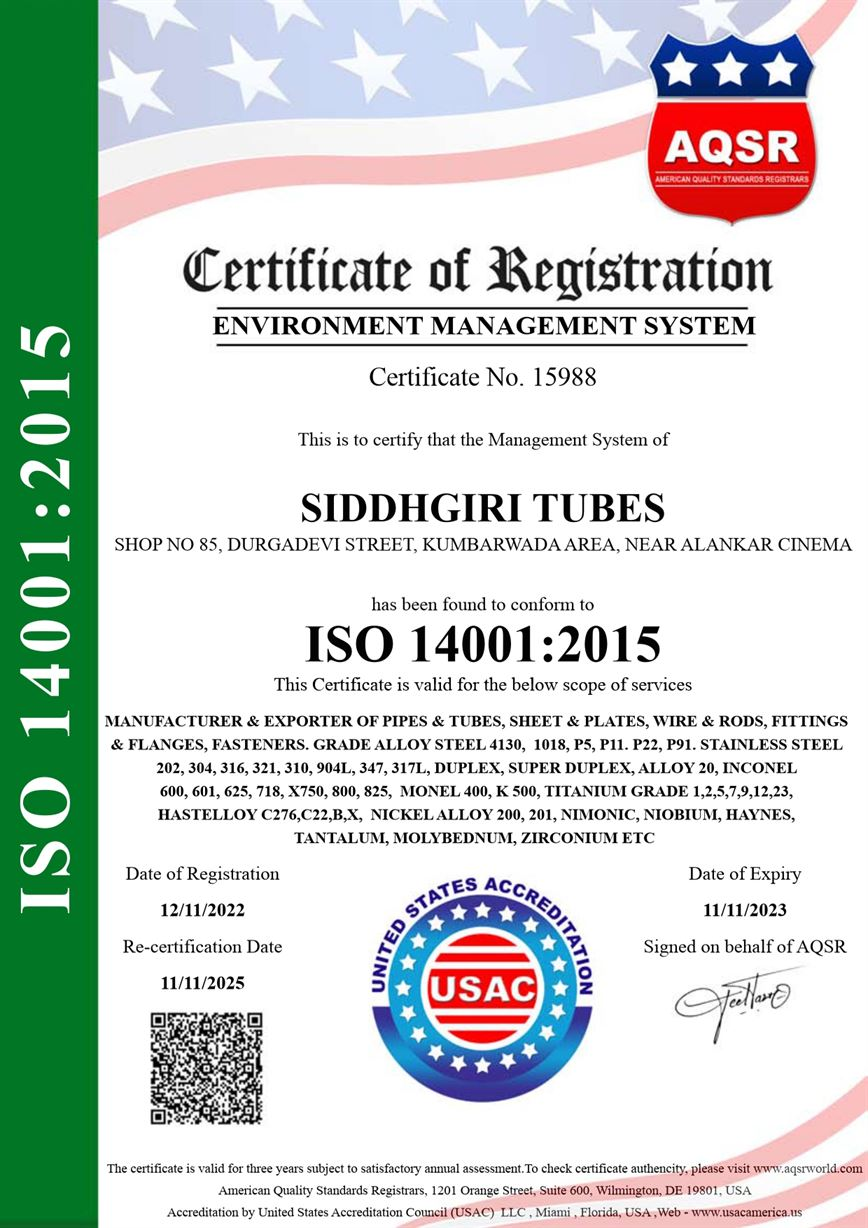
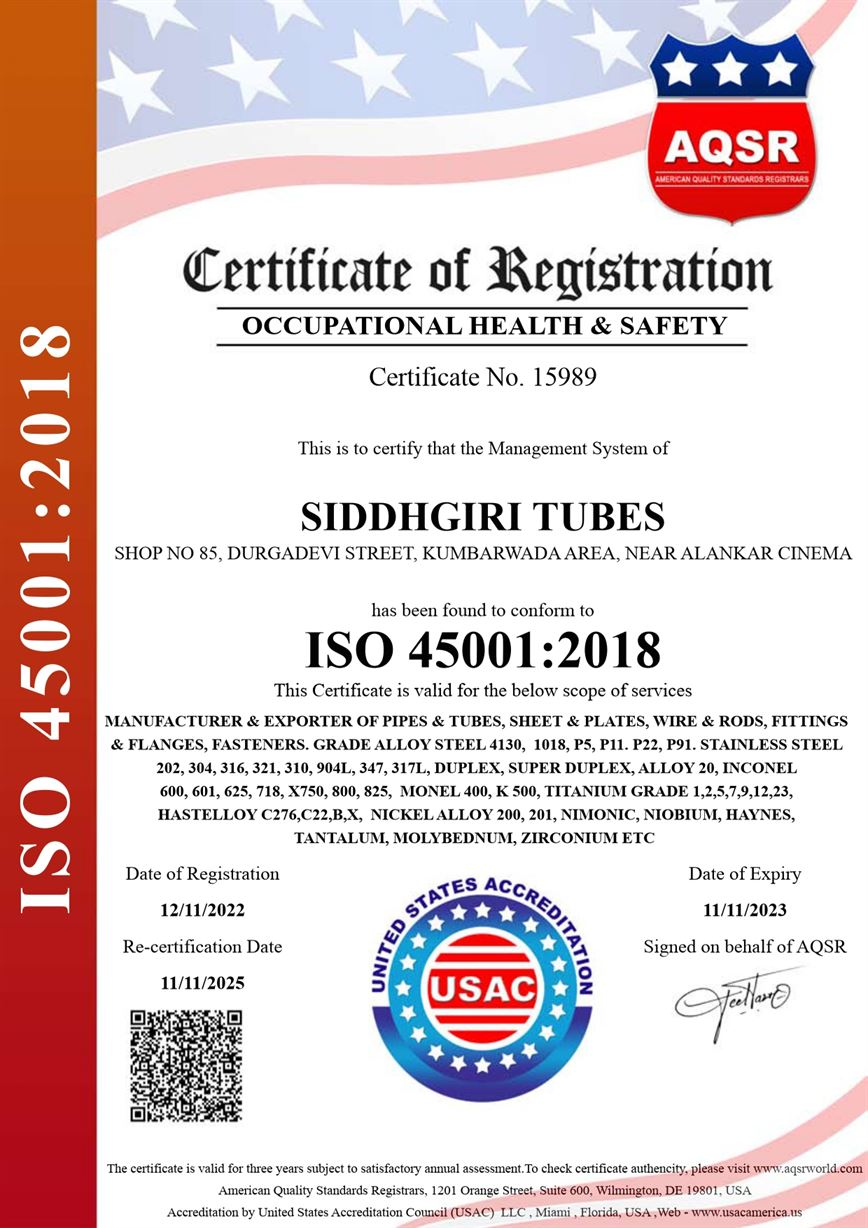
Siddhgiri Overseas is ISO certified for quality, occupational health & safety and environment management, and holds the import and export certification required to supply stainless steel pipe and tube to customers worldwide. Certificate copies are available on request for buyers who need them for their own compliance records.
The only compositional difference is carbon content — 0.03% max in 316L versus 0.08% max in standard 316. The molybdenum addition (2.00%-3.00%) that provides chloride and pitting resistance is identical in both. The lower carbon in 316L prevents chromium carbide precipitation at welded joints, so it holds its corrosion resistance through the heat-affected zone where standard 316 can be more vulnerable to weld decay.
SS 316L contains a molybdenum addition of 2.00%-3.00% that SS 304L does not have. Molybdenum is what gives 316L its resistance to chloride-induced pitting and crevice corrosion, making it suitable for marine, offshore, and high-saline environments where 304L would corrode faster. Both grades share the low-carbon approach to preventing weld decay, but only 316L adds the chloride resistance on top of it.
Dual-certified stock is manufactured to meet both the 316 and 316L chemistry windows at the same time, so one piece of material satisfies either specification. It's useful when a project needs the weld-decay protection of low carbon but also wants the higher minimum yield strength associated with standard 316 — rather than choosing between the two grades, dual-certified pipe covers both requirements. Siddhgiri Overseas can supply SS 316L pipe on this dual-certified basis.
Yes. The low-carbon austenitic structure of SS 316L resists embrittlement and retains its toughness and ductility at deep sub-zero and cryogenic temperatures, which is a known characteristic of low-carbon austenitic grades. This makes it a suitable choice for cold-service lines in addition to its standard corrosive and marine applications.
Offshore and marine systems combine two demands: continuous chloride exposure from seawater and piping that is fabricated by welding. SS 316L's molybdenum content resists the pitting and crevice corrosion that chlorides cause, while its low carbon content prevents that resistance from breaking down at welded joints. Standard 304-series steels lack the molybdenum addition and degrade faster in the same conditions.
Yes, SS 316L is a standard choice for pharmaceutical and biotech sanitary piping. It has to withstand aggressive cleaning chemicals and steam sterilization cycles repeatedly without corroding or shedding material into the product stream, and because sanitary piping is typically welded rather than mechanically joined, the low-carbon chemistry protects those welded joints from the corrosion that would otherwise risk batch contamination.
Mirror-polished #8 finish (grit 600+) is generally specified for high-purity medical, biotech, and food-contact lines because its smooth surface resists material buildup and supports repeated sanitary cleaning. For less critical or hidden sections of the same system, 2B cold-rolled finish is a common baseline choice.