Phone Number +91-96194-06392
Opening Hours:

Mon-Sat: 9am - 6pm

Stainless Steel Tube Grades Manufacturer in India

Import Export
European Directive 2014/68/EU
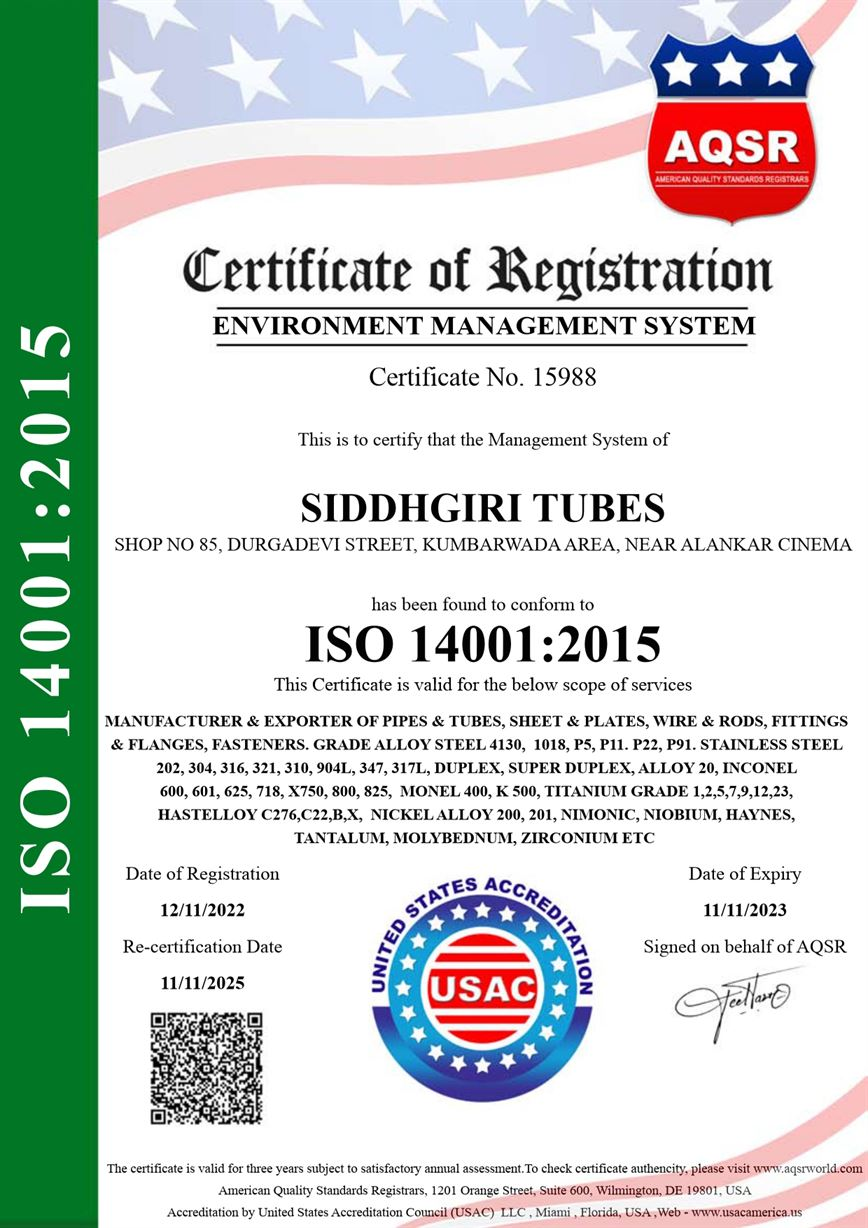
ISO 14001:2015
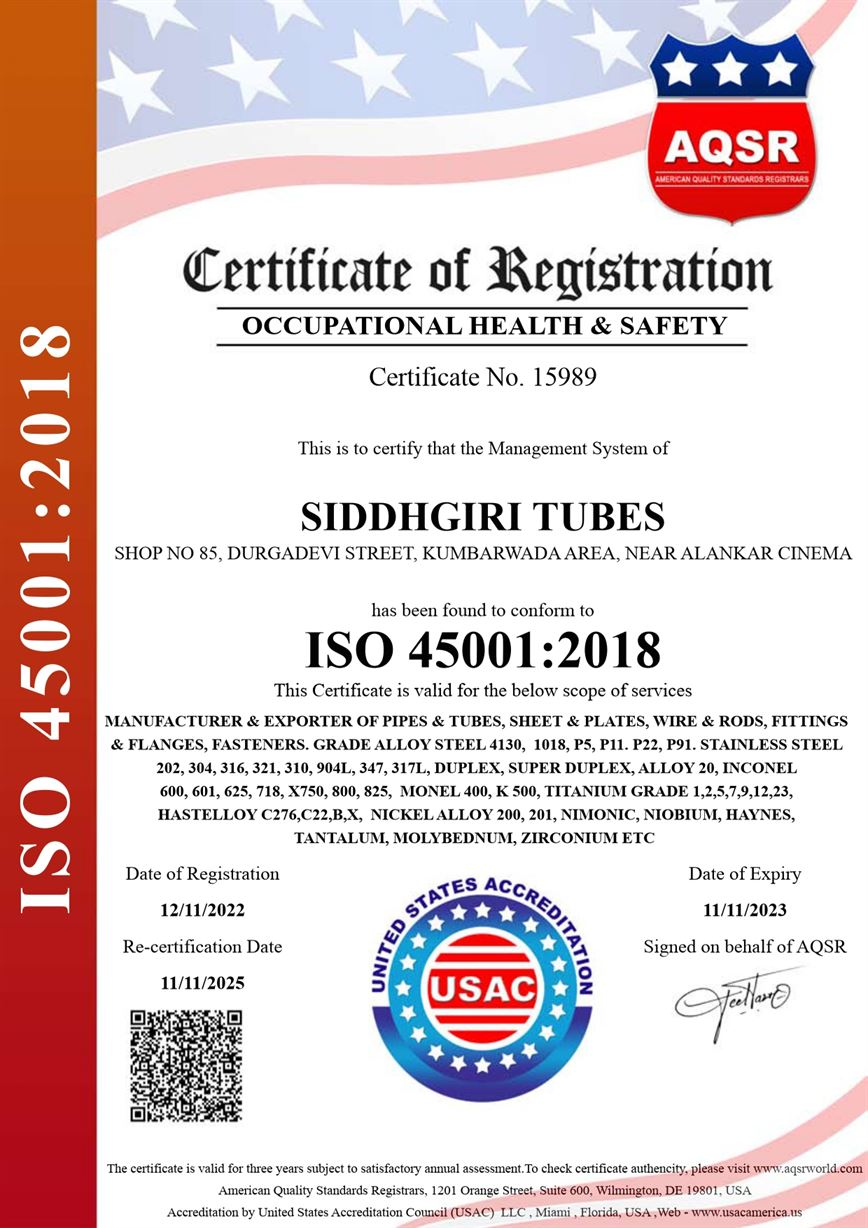
ISO 45001:2018
ISO 9001:2015
GST Certificate
Stainless Steel Tube Grades Manufacturer in India

Stainless Steel Tube Grades Manufacturer in India Since 1962

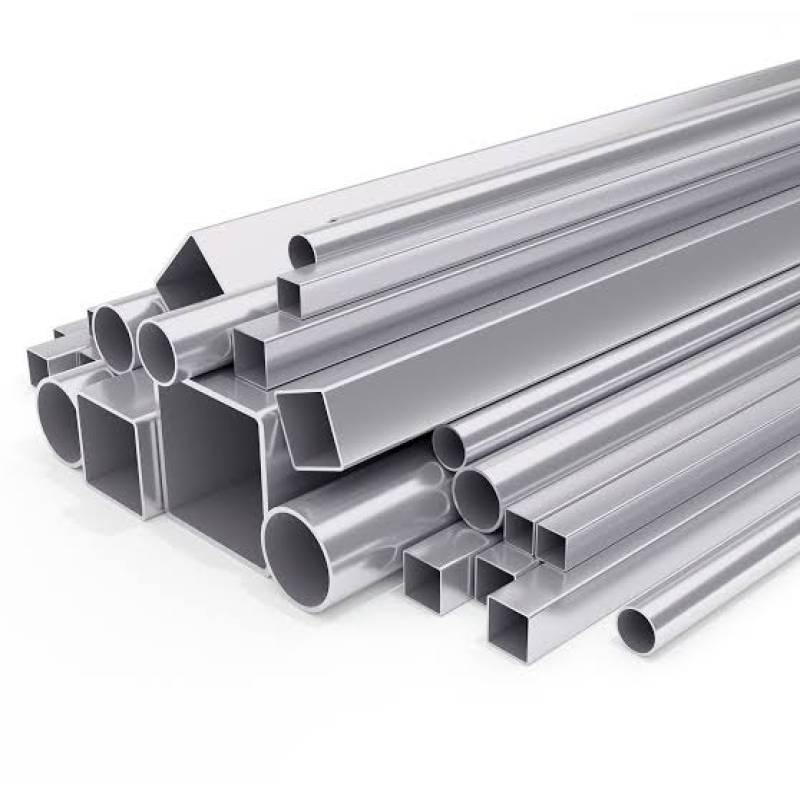
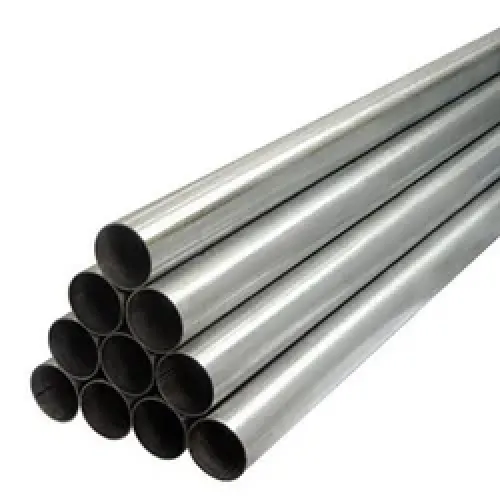
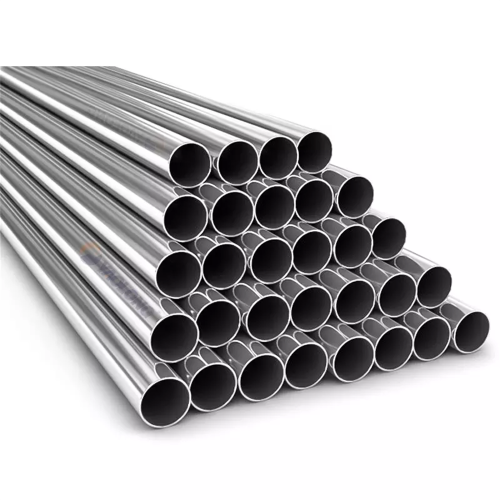
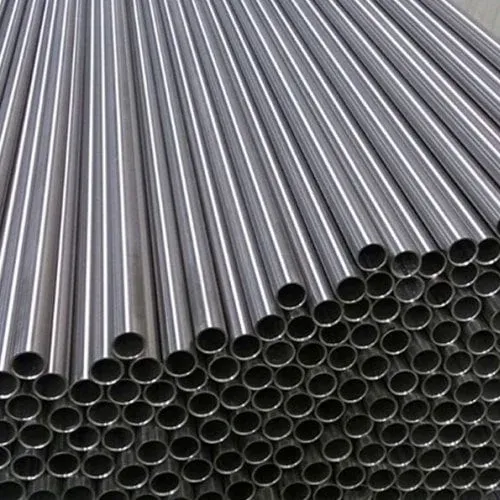
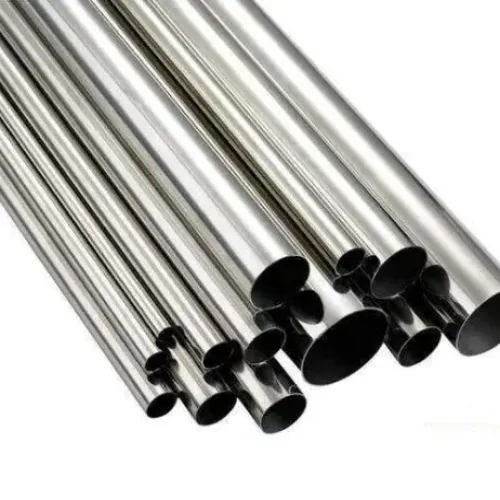
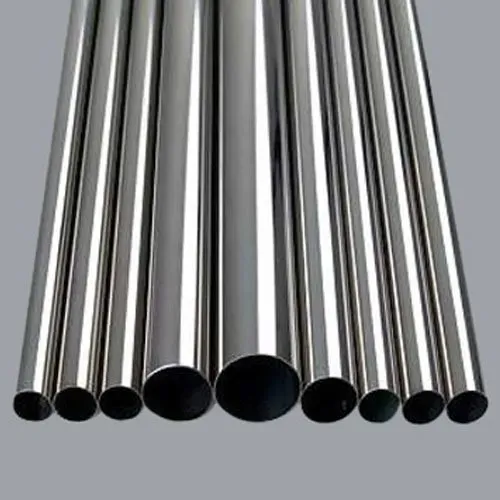
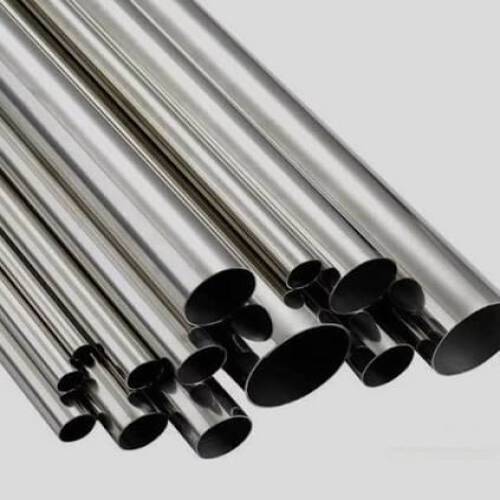
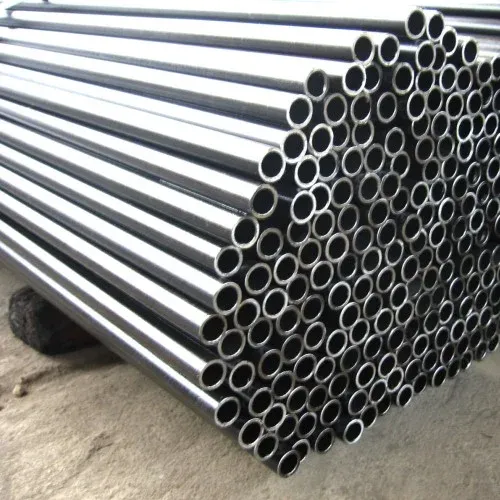
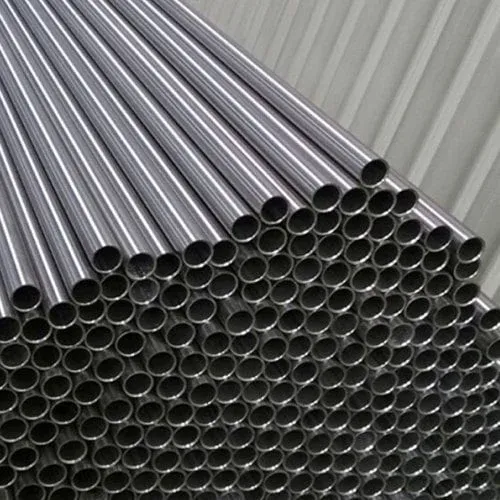
Selecting a stainless steel tube grade is a tighter decision than selecting pipe, because tube is typically specified for duty where dimensional precision and a defect-free bore carry as much weight as the alloy itself — heat exchanger bundles, instrumentation lines, hydraulic circuits, and boiler and superheater service. Siddhgiri Overseas has manufactured stainless steel tube in Mumbai since 1962, and supplies the full 200-series, 300-series, and H-series grade range — SS 202, 304, 304L, 316, 316L, 321, 310, and 347H — manufactured to standards including ASTM A213 for boiler, superheater and heat-exchanger tubes and ASTM A269 for general-service tubing. This page lays out how the eight grades differ on cost, corrosion resistance, weldability, and temperature capability, so you can narrow down the right one for your application before moving to its dedicated page for full chemistry, mechanical properties, and OD/wall-thickness availability. 

Tube applications tend to concentrate around a smaller set of decision points than general fabrication, since the tube itself is usually feeding a specific system — a heat exchanger, an instrument loop, a hydraulic circuit — where failure has a direct operational cost. 

Cost and nickel content. Nickel is the largest cost driver in austenitic stainless steel, and SS 202 reduces it by substituting manganese for a portion of the nickel used in SS 304. In tube form this keeps 202 to dry, indoor, non-critical applications, since it lacks the proven corrosion and pressure-cycling performance that instrumentation, hydraulic, and heat-exchanger duty demand. For any tube carrying process fluid, gas, or repeated pressure cycling, the 300-series grades are the appropriate starting point. 

Corrosion environment. SS 304 tube handles general atmospheric conditions and many process fluids well, but chlorides — from seawater, coastal humidity, or chloride-bearing process chemistry — attack it through pitting and crevice corrosion, which is a particular concern in the tight-tolerance bore of instrumentation and heat-exchanger tube. SS 316 and 316L tube add molybdenum specifically to resist this, making them the standard choice wherever a tube will see marine exposure or aggressive chemical service. 

Weldability and the "L" grades. Tube joints — whether at fittings, tube sheets, or fabricated assemblies — can suffer weld decay, where chromium carbide precipitates in the heat-affected zone during welding and leaves that zone vulnerable to intergranular corrosion. For tube assemblies with significant welding, the low-carbon "L" version of a grade (304L instead of 304, 316L instead of 316) caps carbon content to prevent this, at the cost of a modest reduction in strength. 

Temperature. Heat exchanger, superheater, and boiler tube frequently runs hot, which is where standard and L grades fall short. SS 321 and SS 347H use titanium and niobium stabilization respectively to resist weld decay without going low-carbon, holding strength through sustained elevated-temperature service under ASTM A213. SS 310 tube goes further still, built on high chromium and nickel content for continuous service at the most extreme temperatures a tube alloy can handle. 

Grade Comparison Table

SS 202 Tube 

Lower-nickel, higher-manganese austenitic grade (~17-19% Cr, 4-6% Ni, 7.5-10% Mn); budget alternative to 304 

Dry indoor tubing — decorative and furniture-grade applications, non-critical trim 

SS 304 Tube 

Standard "18/8" austenitic grade (~18% Cr, 8% Ni); yield 205 MPa, tensile 515 MPa; produced to ASTM A213/A269 

General-purpose instrumentation and process tubing, heat exchangers in non-aggressive service 

SS 304L Tube 

Low-carbon version of 304 (carbon capped at 0.03% vs 0.08%); yield 170 MPa, tensile 485 MPa 

Heavily welded tube assemblies and tube-to-tubesheet joints where weld-decay resistance matters 

SS 316 Tube 

Adds 2-3% molybdenum over 304 for markedly better pitting and crevice corrosion resistance from chlorides 

Marine, coastal and chemically aggressive hydraulic and process tubing 

SS 316L Tube 

Low-carbon version of 316 with the same molybdenum addition; yield 170 MPa, tensile 485 MPa 

Welded tube assemblies in marine or chemical-process service, high-purity and sanitary lines 

SS 321 Tube 

Titanium-stabilized grade; titanium binds with carbon so weld decay resistance holds without low-carbon content; yield 205 MPa, tensile 515 MPa 

Heat exchanger and exhaust-related tubing from 427°C to 816°C 

SS 310 Tube 

High-chromium, high-nickel grade (24-26% Cr, 19-22% Ni) for extreme-temperature service 

Furnace, radiant, and high-temperature process tubing up to about 1,150°C in dry air 

SS 347H Tube 

Niobium-stabilized, controlled higher-carbon-range grade (0.04-0.10% C); niobium carbides are more thermally stable than titanium and don't burn off during welding 

Boiler, superheater, and refinery process tubing under ASTM A213 in the 400-815°C range 

Applications by Grade

General instrumentation and process tubing. SS 304 Tube covers the majority of standard instrumentation, sensing, and general process lines where there's no unusual chloride exposure or high-temperature demand, produced to ASTM A269 for general service. SS 304L Tube is the same grade adjusted for tube assemblies with significant fabrication welding. 

Hydraulic, marine, and chemical-process tubing. SS 316 Tube and SS 316L Tube are the standard choice wherever a tube carries chloride-bearing fluids or operates in a marine or coastal environment, including hydraulic and pneumatic circuits and chemical-process lines. Specify the L version when the tube assembly involves substantial welding at fittings or tube sheets. 

Heat exchanger and boiler tubing. Under ASTM A213, SS 321 Tube suits heat exchanger and thermal-cycling service between 427°C and 816°C. SS 347H Tube is the fit for boiler, superheater, and refinery process tubing in the 400-815°C range, where sustained strength and weld-seam stability both matter over long service runs. SS 310 Tube is reserved for the most extreme end of this range — continuous high-temperature service up to roughly 1,150°C in furnace and radiant-tube applications. 

Budget and non-critical tubing. SS 202 Tube is the choice when cost matters most and the tube stays dry, indoors, and out of any pressure-critical or corrosive-service role — decorative and general trim work rather than instrumentation, hydraulic, or heat-exchanger duty. 

Certifications

Siddhgiri Overseas is ISO certified for quality, occupational health & safety and environment management, and holds the import and export certification required to supply stainless steel pipe and tube to customers worldwide. Certificate copies are available on request for buyers who need them for their own compliance records.

Related Categories

FAQs

Frequently Asked Questions About Stainless Steel Tube Grades

SS 316 tube contains 2-3% molybdenum, which SS 304 tube does not. That addition gives SS 316 significantly better resistance to pitting and crevice corrosion from chlorides, making it the better choice for marine, coastal, or chemically aggressive tubing such as hydraulic circuits and process lines, while SS 304 tube remains suited to general-purpose instrumentation and process service. 

Choose an L grade when the tube assembly involves significant welding — at fittings, tube sheets, or fabricated joints. The lower carbon content (0.03% max) prevents chromium carbide precipitation in the heat-affected zone during welding, which avoids weld-decay corrosion. It comes with a modest reduction in yield and tensile strength compared to the standard grade. 

It depends on the operating temperature. SS 321 and SS 347H tube, both produced to ASTM A213, are suited to sustained service in the 400-816°C range, with 347H specifically used in boiler, superheater, and refinery tubing. For continuous extreme heat up to around 1,150°C, such as furnace or radiant-tube applications, SS 310 tube is the appropriate grade. 

Our stainless steel tubes are manufactured to standards including ASTM A213, which covers ferritic and austenitic alloy steel tubes for boilers, superheaters, and heat exchangers, and ASTM A269, which covers seamless and welded austenitic tubing for general service. Grade-specific chemistry and mechanical property requirements follow these standards for each of the eight grades supplied. 

SS 202 is generally the most budget-friendly grade in this range, since it replaces a portion of the nickel content used in SS 304 with manganese. In tube form it's suited to dry, indoor, non-critical applications only and isn't recommended for instrumentation, hydraulic, or heat-exchanger duty where moisture or pressure cycling is involved. 

Yes, it's common to specify different grades for different parts of the same system based on what each section is exposed to — for example, SS 304 tube for general instrumentation runs and SS 316L tube for sections exposed to chlorides or heavy welding. Siddhgiri Overseas supplies across the full grade range so mixed specifications can be sourced together. 

The "H" denotes a controlled higher-carbon range (0.04-0.10%), which helps the grade retain strength during sustained high-temperature service such as boiler and superheater tubing. Like SS 321 tube, it resists weld decay through stabilization — SS 321 uses titanium, while SS 347H uses niobium, whose carbides are more thermally stable and don't burn off during welding, making 347H suited to demanding refinery and power-generation tube service. 

Yes. Siddhgiri Overseas has manufactured stainless steel tube in Mumbai since 1962 and supplies this full 200-series, 300-series, and H-series grade range in both seamless and welded construction, to the OD and wall-thickness tolerances required for instrumentation, hydraulic, and heat-exchanger applications, with Mill Test Certificates provided for traceability. 

Clients

Our Partners

Tata Power
Shell Global Solutions
ONGC
NRL
NTPC
NIOC
HP
JSL
Godrej
Bhel
Inoxium Tubi
24/7 we are here
Your Partner in Industrial Growth, Let’s get started today!